Fighting Hunger, One Green Bag at a Time​

A Simple System, Powered By Neighbors

Every Food Project looks a little different depending on the community it’s in. Some are large, some are small. Some have been running for over a decade, others are just getting started. But they’re all built on the same idea: neighbors collecting food for neighbors, on a regular schedule, delivered directly to local pantries. No complicated logistics. Just a simple system that works because community members want it to.

1. Sign Up as a Food Donor or Neighborhood Coordinator
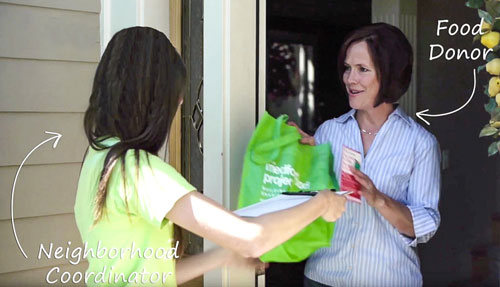
ashland-food-project-neighborhood-coordinator

Neighborhood Coordinators build their small groups of Food Donors by inviting friends and neighbors to participate. Every Food Donor gets a reuseable Green Bag.

1. Sign Up as a Food Donor or Neighborhood Coordinator

2. Shop for a Little Extra Food

shopping-ashland-food-project

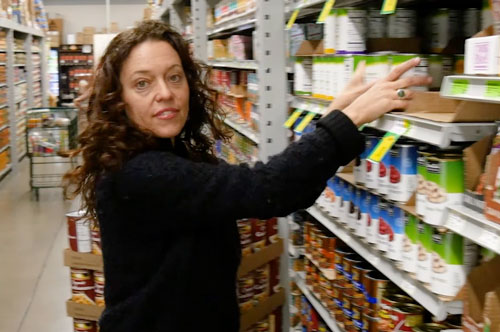
Food Donors don’t need to make a special trip or spend a lot. When they go grocery shopping, they pick up one or two extra nonperishable items — things like canned beans, pasta, or peanut butter — and store them in their green bag at home. Over time, those small additions add up.

2. Shop for a Little Extra Food

3. Put your bag out every two months.

be-a-donor-ashland-food-project

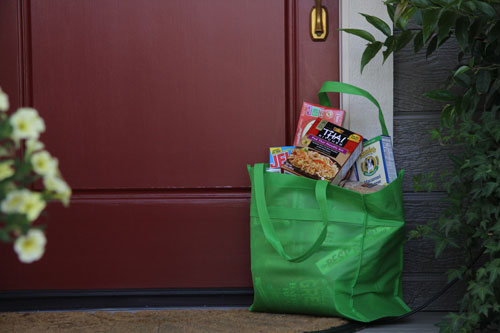
On Collection Day (most projects use the second Saturday of every even – numbered month) each Food Donor puts their full green bag outside their front door. Their Neighborhood Coordinator swings by to collect it and leaves an empty bag for next time.

3. Put your bag out every two months.
4. NCs Collect their Neighborhood's Bags
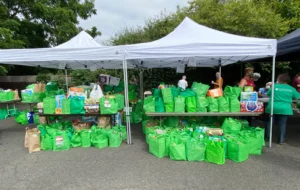
After making their rounds, Neighborhood Coordinators bring everything they’ve collected to a central drop-off location — usually the local food pantry or a designated meeting point. Volunteers are already there, ready to unload, sort, and organize everything that comes in.

4. NCs Collect their Neighborhood's Bags

5. Food Is Sorted and Goes Directly to Local Pantries
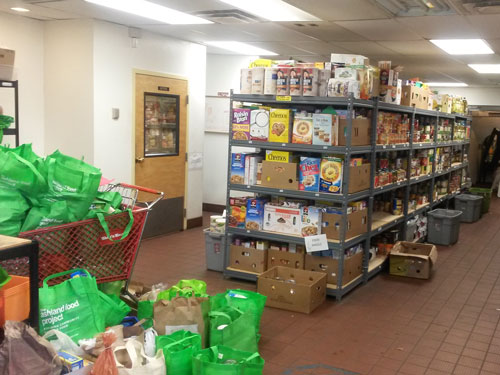
full-pantry-ashland-emergency-food-bank

By the end of Collection Day, all the food is sorted, weighed, and on its way to local pantries, ready to support neighbors in need. Then the good news gets shared, the bags go back out, and the whole cycle begins again. Six times a year. Every year.

5. Food Is Sorted and Goes Directly to Local Pantries

Why It Works

It Brings People Together

The Neighborhood Food Project gives our volunteers a concrete, manageable way to work together on something they all care about: hunger. The shared purpose of taking care of each other creates bonds between neighbors and inspires lasting change.

It's Consistent

A food drive only brings in food once. With our system, collection days happen six time a year, every year. This gives Food Donors a chance to develop a simple habit that local pantries can count on: a steady, reliable stream of food that doesn’t stop after the holidays.

It's Flexible

The core model is the same everywhere, but each community runs their Food Project in a way that fits their needs. Some are large and highly organized. Others are smaller and more informal. That flexibility isn’t a weakness, it’s why it works in so many different places.