How to Start a Food Project

We'll Do It Together

Starting a Food Project is simpler than most people expect. You don’t need a large organization behind you or a big budget to get going. Communities across the country have launched successful projects with just a few committed neighbors, a partner pantry, and a willingness to show up. We’ll help you with the rest.

The Basics

Most projects begin small and grow naturally over time. What matters most at the start isn’t scale, it’s having the right pieces in place.

Founding Members

Two to five people who believe in the idea and are willing to put in the work to get it off the ground. 

Partner Food Pantry

A local pantry or food distribution organization that’s excited about what you’re building and ready to receive your donations.

Bags and Materials

We’ll help make sure you have what you need to get started: green bags, informational materials, templates, and more.

Support From the NFP

You won’t be doing this alone. We’ll answer your questions, share resources, and stay in touch as you grow.


One Step at a Time

Every community is different, and we’ll work with you to build something that fits yours. These are the steps most successful projects follow.

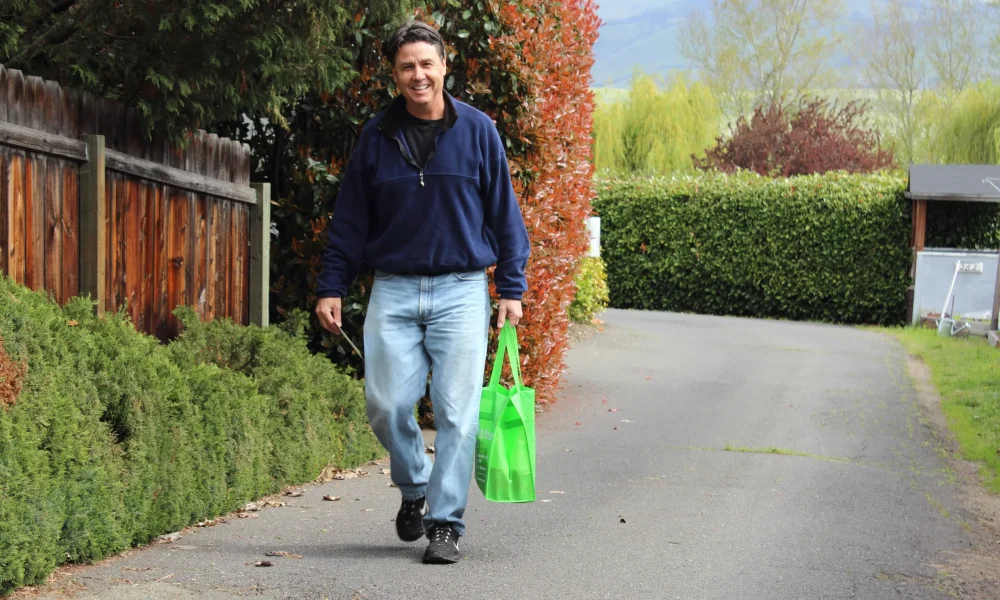
A volunteer carries a green Neighborhood Food Project bag from his home to be collected for an upcoming Collection Day.
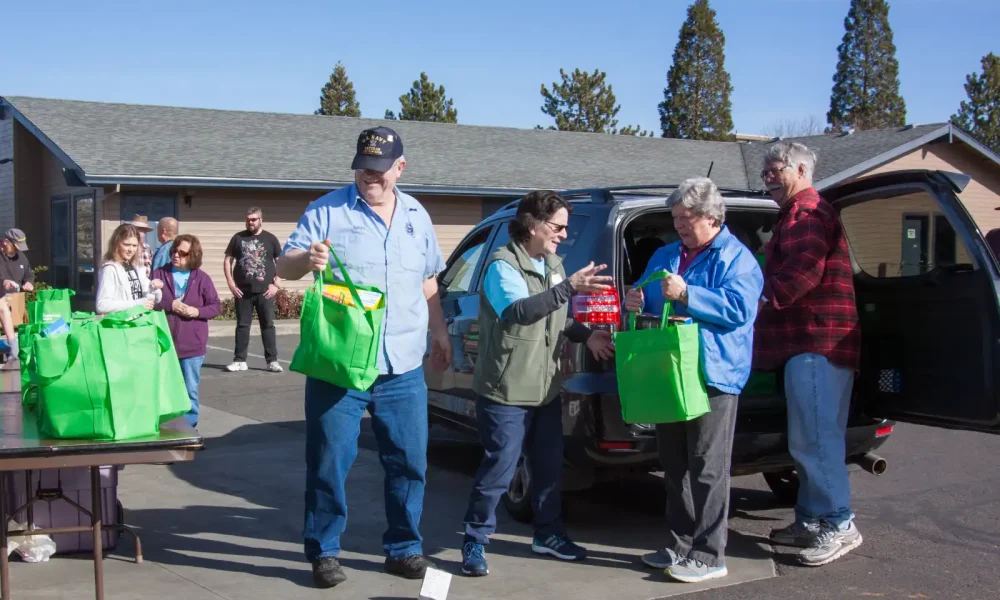
Four volunteers creating a bucket brigade for taking full green bags out of an NCs trunk and placing them on a table
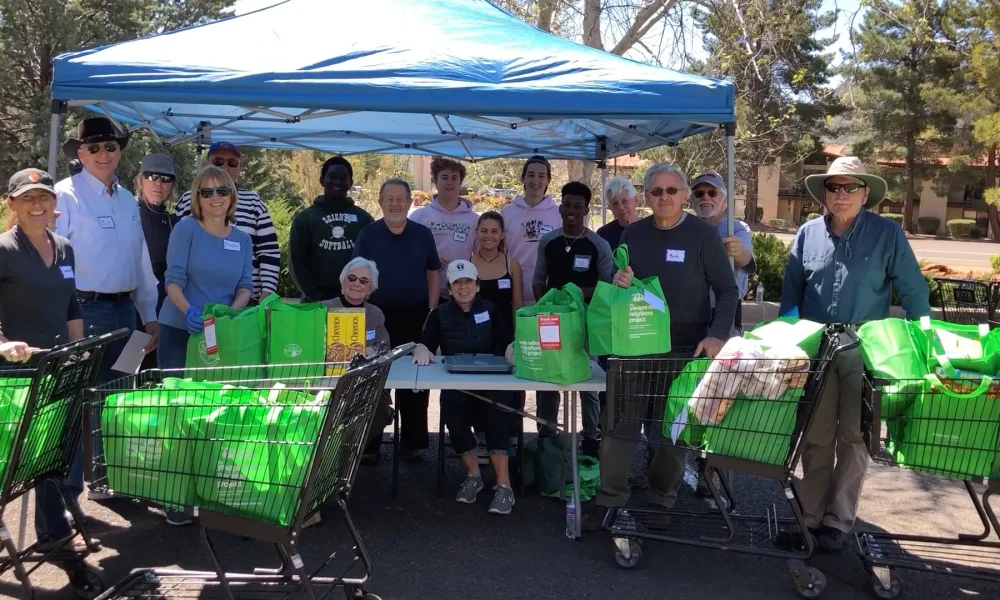
Volunteers stand under a tent with carts and green bags filled with donated nonperishable food during a Neighborhood Food Project Collection Day.

01

Build A Small Core Team

Gather a few people who care about the mission and want to help organize the project. Together you'll clarify your goals, choose a name, and start laying the groundwork for your first Collection Day.

02

Plan Your First Collection Day

Connect with your local food pantry or distribution organization and agree on when to hold the first Collection Day. Confirm the basic logistics early so volunteers, coordinators, and pantry partners all know what to expect.

03

Recruit Neighborhood Coordinators

Neighborhood Coordinators are the heart of your project. Start recruiting people in your community who are willing to manage a small group of donors on their street. You don't need many to begin, just enough to run a meaningful first Collection Day.

04

Bring It All Together

Your first Collection Day is a major milestone. It's the moment your neighbors see the system in action for the first time — and when your volunteers see it work, everything becomes real. Keep it manageable, celebrate what you collect, and take note of what to improve next time.
05

Keep Growing and Appreciating

Food Projects are grassroots by nature. Growth takes time, and that's okay. The most important thing you can do after your first Collection Day is thank everyone who was part of it and start planning the next one. Appreciation is what keeps volunteers coming back.

We provide tools, materials, and guidance to help new projects launch successfully.

How the NFP Supports New Projects

Guidance From Experienced Projects

We help guide new project leaders through the process of starting a Food Project — drawing on lessons learned from nearly two decades of experience and a network of active projects across the country.

Materials to Get Started

We help provide key materials including green bags, informational guides, and templates to help you introduce the project to your neighbors and start recruiting donors.

Tools and Resources

We provide access to communication templates, social media guidance, and organizational tools that make it easier to manage pickups and grow your volunteer base.

A Network of Support

When you start a Food Project, you join a growing community of people across the country doing the same work. That support network is one of the most valuable things the NFP offers.

INTERESTED IN STARTING A PROJECT?

Bring the Neighborhood Food Project to Your Community

Starting a Neighborhood Food Project begins with a conversation. Tell us a little about your community and we’ll walk you through how the model works, answer your questions, and help you think through what a project might look like where you live. There’s no commitment required, just reach out and let’s talk.

Connect With Us