Neighborhood Coordinators are the people who make it all happen. They’re the friendly face their neighbors recognize, the person who shows up every two months without fail, and the reason a Food Project stays alive year after year. The role is simple by design: connect with a small group of neighbors, collect their bags on Pickup Day, and bring everything to the collection site. Then do it again next and let the impact add up over time.
It starts with a simple ask. Reach out to a handful of neighbors and invite them to participate as Food Donors. Most Neighborhood Coordinators manage between 10 and 20 households: a group that fits comfortably into an existing routine and stays manageable as you grow.
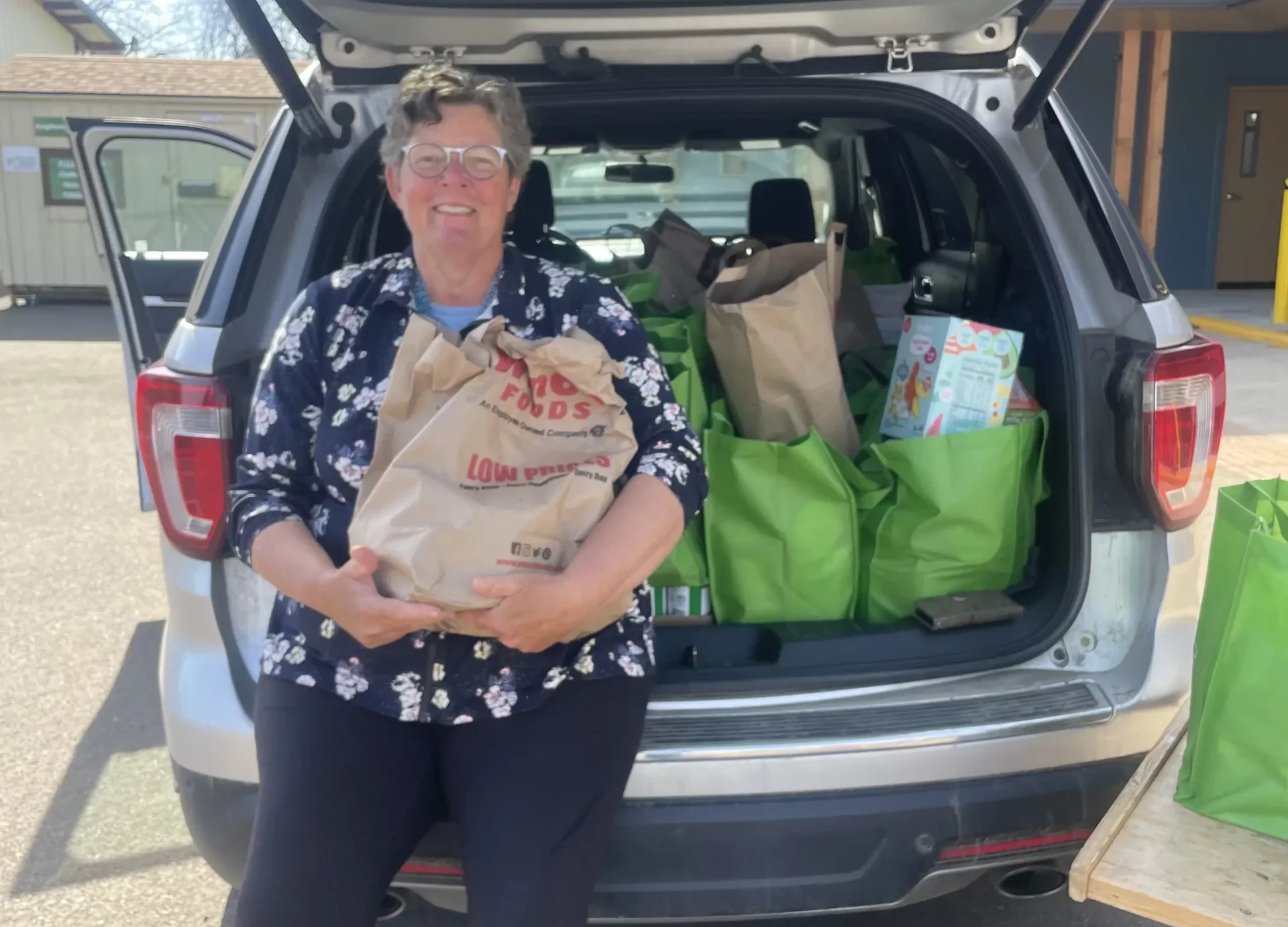
On Collection Day, walk or drive your neighborhood, collect the full bags your donors have set out, and leave empty ones for next time. Bring everything to the local collection spot. It typically takes a few hours, and the sense of community you feel when you're done makes every minute worthwhile.
The best part of being a Neighborhood Coordinator isn't the pickups, it's the people. Over time, you build genuine connections with the neighbors on your street through a shared commitment to your community. A quick wave, a short conversation, and a name you now know — that's the real reward.
That's the beauty of it. The cycle repeats naturally, and each collection day your relationships with neighbors grow a little stronger. What starts as a single ask becomes a lasting connection and something people in your neighborhood look forward to.
One bag at a time adds up quickly. On average, each Neighborhood Coordinator helps bring in 600 pounds of food each year from their neighborhood. Because the role is flexible and locally run, many coordinators have stayed involved for years — some for over a decade — quietly building one of the most consistent food collection systems in their community.
The best way to get answers is to reach out to your local Food Project, but here are some answers that apply to general questions across all projects.
Most coordinators spend a few hours on Collection Days, plus occasional check-ins with donors in between. Many coordinators ask their neighbors to fill in for them when traveling so it never interferes with your life.
You can begin with just a handful of neighbors. The goal is to build something sustainable, not something large. Start small and grow when it feels right.
All Food Projects follows the same paradigm, but the details vary by community. You'll have the flexibility to run your neighborhood in a way that works for you.
None at all. Your local Food Project will provide guidance, materials, and support from the beginning. You won't be figuring it out alone.
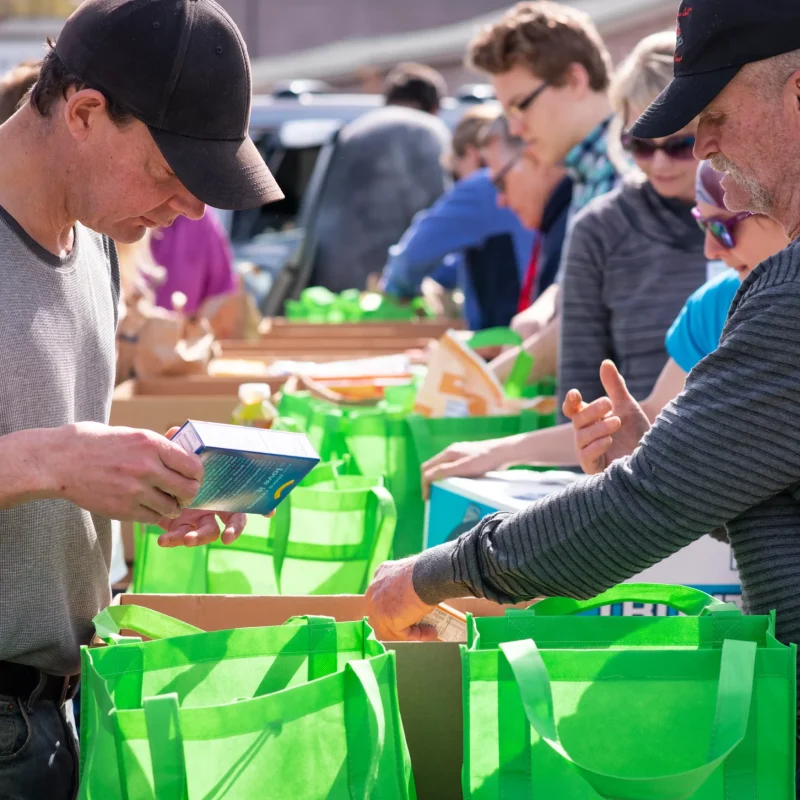
You invite neighbors to participate, remind them before Collection Day, collect their bags on the day itself, and bring everything to a central drop-off location. And thank them for participating!
Your local Food Project will provide you with the resources and materials you need. You'll also become part of a broader network of coordinators who have been doing this work for years and are glad to share what they've learned.
Every Food Project across the country is looking for Neighborhood Coordinators. It’s the role the whole system depends on, and there’s always room for one more. Find the project nearest you and introduce yourself.