Building Stronger Communities

Supporting Local Pantries

Since 2008, the Neighborhood Food Project have been providing local pantries with something most food collection efforts can’t: consistency. Six times a year, every year, donations arrive on a predictable schedule from neighbors who have made giving a habit. That regularity allows pantries to plan, to serve more people, and to focus their resources on the families who need them most.

Average number of pounds donated annually by each Food Donor
0
Average number of pounds collected annually by each Neighborhood Coordinator
0
Food Banks/Pantries currently supported by Neighborhood Food Projects
0
Estimated number of pounds of food collected by Neighborhood Food Projects
0 M+
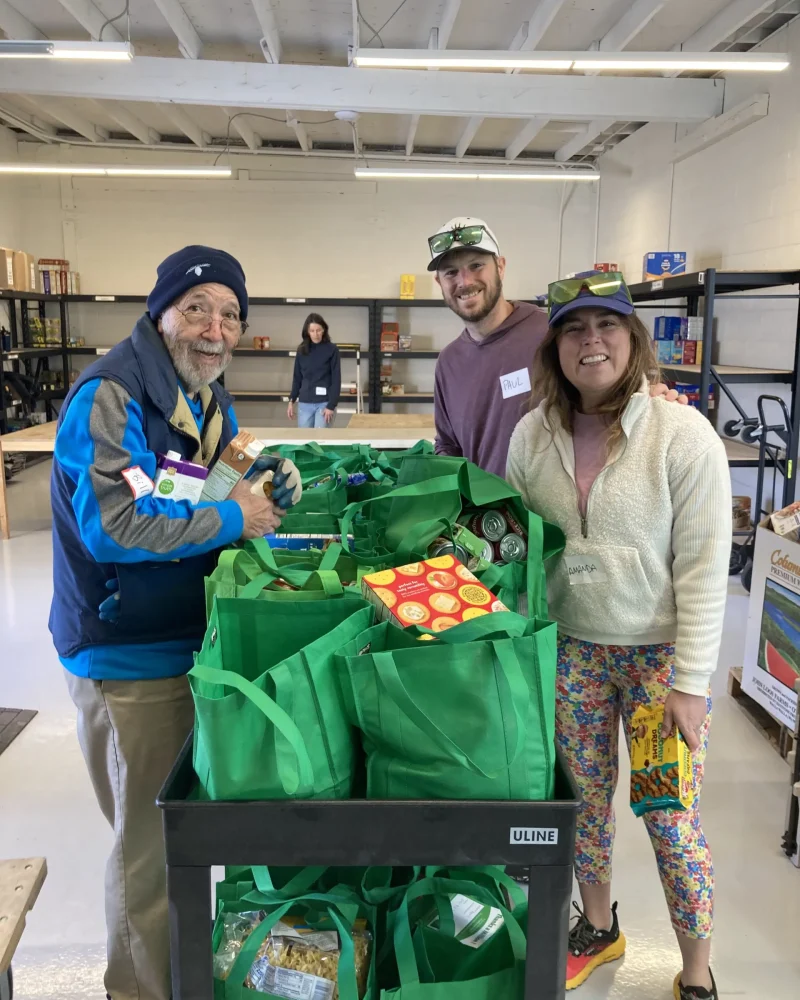
Food Project volunteers standing with green bags full of donated food at pantry collection site

Bringing People Together

The Neighborhood Food Project is a way all people who are concerned about feeding their hungry neighbors — regardless of their personal views and backgrounds — can work together and experience a deep sense of community that so many of us seek. It’s a true collaboration among neighbors.

That’s what makes this model different from most approaches to food insecurity. It isn’t charity handed down from the outside. It’s a community deciding, together, that it can take care of its own.

The connections built through a Food Project extend well beyond Collection Day. Some of our favorite stories are about neighbors who didn’t know each others’ names becoming friends. Or how people who felt isolated became more involved in their community through their project.

Ultimately, we’ve learned that Food Project volunteers who joined to donate food stay for the community. None of that shows up in the number of pounds collected, but it’s part of what every active Food Project produces year after year.
Giving the Gift of Food

Not all food donations have the same impact. A bag full of nutritious, high-quality nonperishables does a lot more for a family than a bag full of items that are expired, high in sodium, or low in nutritional value. That’s why the NFP created a booklet called Giving the Gift of Food — a practical, friendly guide that helps Food Donors shop with intention. It covers what pantries actually need, what to look for on a label, and how to make every bag count.

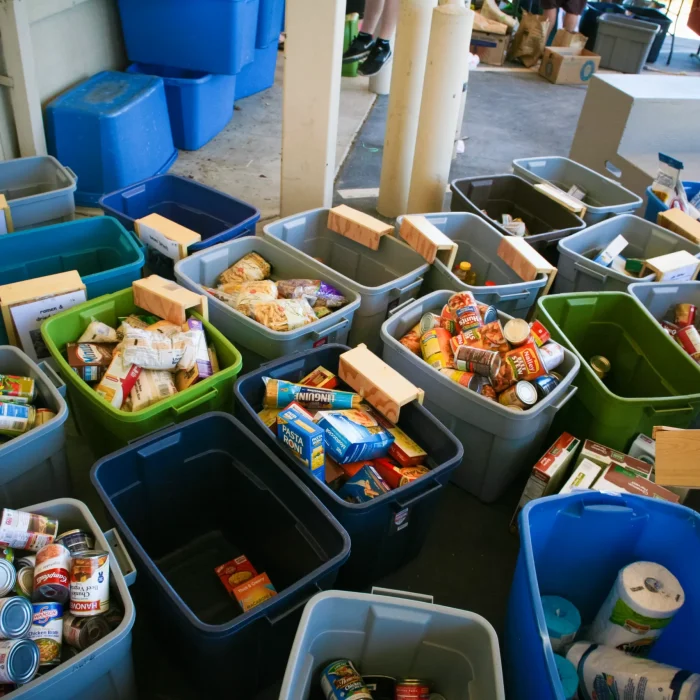
Donated nonperishable food is sorted into bins by category during a Collection Day

Join Our Mission

The Food Project model works. It has worked in small towns, large cities, communities that started with five volunteers, and communities that started with fifty. What it needs to keep growing is people who believe in it. Start a project, support our work, or simply share what we’re doing with someone who might be ready to get involved.