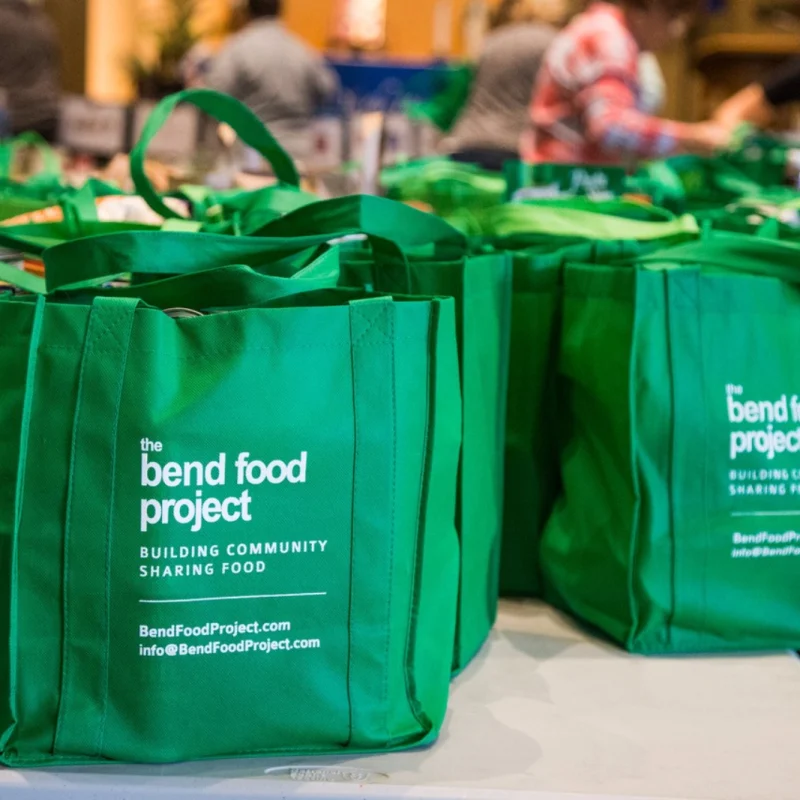
Being a Food Donor is designed to fit into your life exactly as it is. There are no meetings to attend, no schedules to manage, and no pressure to give more than you can. You pick up a few extra items when you shop, store them in your green bag, and set it outside every two months. Your Neighborhood Coordinator takes it from there.
Just Four Steps
We ask Food Donors to give intentionally rather than just clearing out their cabinets. That means choosing food you’d actually serve your own family — nutritious, nonperishable items that make a real difference for the people who receive them.
Step 1
Your Neighborhood Coordinator gives you a green bag and lets you know when the next Pickup Day is scheduled. That’s your starting point.
Step 2
Throughout the two months, fill your bag with nonperishable items like canned goods, pasta, rice, peanut butter, or other pantry staples you’d be happy to share.
Step 3
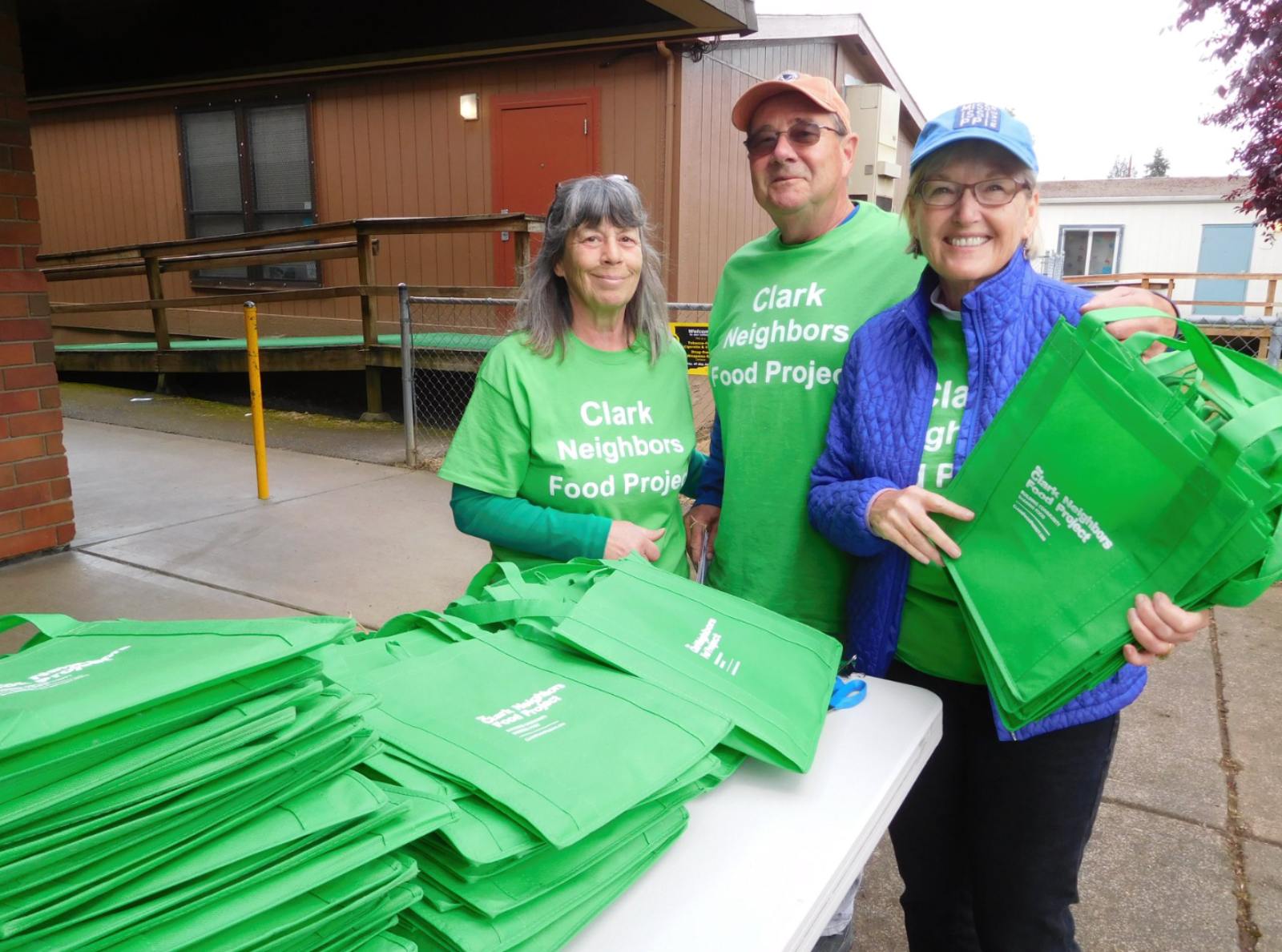
On Pickup Day, set your full bag outside your front door. Your Neighborhood Coordinator will collect it and bring it to a local partner pantry.
Step 4
Your Coordinator leaves an empty bag so you’re ready for the next round. The cycle begins again and you can already start thinking about what to donate next time.
Small Bag. Big Impact.
One bag may not seem like much, but when an entire neighborhood participates, those bags add up fast. On average, a Food Donor contributes over 60 pounds of food each year — the equivalent of more than 50 meals for a local family. Multiply that by a street, a neighborhood, a whole community, and you start to see why this system works.
Frequently Asked Questions
The best way to get answers is to reach out to your local Food Project, but here are some answers that apply to general questions across all projects.
Where Does the Food Go?
All donations go directly to local partner pantries, which distribute food to families in your community. Your food stays local.
What Should I Donate?
Nonperishable items like pasta, rice, canned goods, and pantry staples are always welcome. Many projects provide a suggested list to help you choose food that's most needed and most nutritious.
How Often Do I Donate?
Food Projects host collections days once every two months, six times a year. Your Neighborhood Coordinator will keep you posted on the schedule for your area.
Do I Have to Donate Every Time?
No. Participation is always flexible. Give when you can, and don't worry when you can't. We understand life is busy and not everyone is able to donate each collection day.
How Much Should I Give?
There's no set amount. Most donors give a few items at a time, and that's more than enough when everyone pitches in together.
How Do I Sign Up?
The best way is to connect with the Food Project nearest you. Find your local project on our map and reach out directly, they'll be glad to hear from you.
Ready to Sign Up?
Your local Food Project is ready to welcome you. Reach out through their page on this site or visit their website directly to get started.